Miguel De Northern: A Modern Typeface for Editorial Design
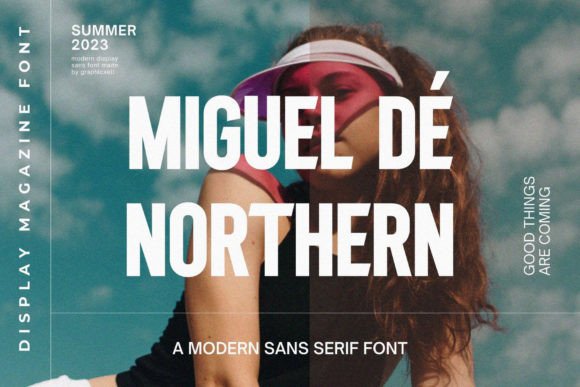
When I began redesigning the header graphics for a seasonal lifestyle newsletter, I needed a typeface that could carry weight without feeling heavy. Miguel De Northern, a modern and trendy Sans Serif font, immediately stood out among the many Fonts in my library. Its clean lines offered the perfect balance of contemporary flair and professional restraint, allowing the content to breathe while maintaining a strong visual identity. This review explores how this specific typeface supports readability and editorial mood in real-world publishing projects.
Clean Geometric Letterforms for Digital Magazine Covers
The first thing you notice when working with Miguel De Northern is its geometric precision. As a Sans Serif choice, it avoids the ornamental distractions often found in display fonts, focusing instead on sleek simplicity. In my recent project involving a digital magazine layout for a wellness brand, I used this font for the main cover title. The letterforms are open and balanced, which creates a sense of professionalism and versatility that is crucial for high-end editorial design. Unlike some condensed fonts that can feel cramped on mobile screens, the spacing here feels intentional and airy. This makes it an excellent candidate for web design headers where immediate impact is necessary. The contemporary flair of the font helps establish a brand identity that feels current yet timeless, appealing to readers who value clarity and style.
Enhancing Readability in Newsletter Graphics and Headers
For newsletter writers and content creators, the challenge is often capturing attention in a crowded inbox. Miguel De Northern serves as a powerful tool for creating distinct section headings that guide the reader’s eye. Because it is a Sans Serif font, it renders beautifully on various devices, ensuring that your typography looks crisp whether viewed on a desktop or a smartphone. When I tested it for a coaching workbook layout, the font’s consistent stroke width helped maintain visual hierarchy. It allowed me to differentiate between chapter titles and subheadings without needing excessive bolding or color changes. This level of control is essential for building a cohesive publication identity. The font’s natural rhythm supports the flow of information, making complex topics feel more approachable. For those managing a suite of Fonts for different clients, having a reliable sans serif option like this simplifies the design process significantly.
Versatile Application in Printable Planners and Worksheets
Beyond digital screens, Miguel De Northern proves its worth in print materials such as printable planners and educational worksheets. The clean geometry translates well to paper, offering a modern aesthetic that appeals to independent product sellers. In a recent wedding guide project, I utilized this typeface for the table of contents and sidebar notes. Its sleek simplicity ensured that the text remained legible even at smaller sizes, though it is primarily designed as a display font for titles and accents. The professional tone it brings to a layout can elevate a simple PDF into a premium product. When creating design assets for sale, consistency is key, and this font provides a stable foundation for branding. It pairs effortlessly with other elements, allowing designers to focus on layout structure rather than fighting against quirky letterforms. This versatility makes it a valuable addition to any creative font collection aimed at lifestyle and productivity niches.
Strategic Font Pairing for Editorial Layouts and Body Copy
While Miguel De Northern excels as a headline font, it is important to consider its role in relation to body copy. As a Sans Serif with a strong personality, it is best reserved for titles, pull quotes, and short captions. For longer reading passages, I recommend pairing it with a highly readable serif font or a neutral sans serif font for the main text. This contrast creates a dynamic visual experience that keeps the reader engaged. In my editorial feature pages, I often combine this font with a classic serif for the article body. The juxtaposition of the modern, geometric headlines against the traditional body text adds depth and sophistication to the design. This approach works well for lifestyle blogs and recipe ebooks where the visual appeal is just as important as the information provided. By using Miguel De Northern strategically, you can highlight key messages without overwhelming the reader. It acts as a visual anchor, drawing attention to the most important parts of your content structure.
Evaluating Licensing and Technical Specifications for Commercial Use
Before integrating Miguel De Northern into client publications or digital downloads, it is essential to review the technical specifications and licensing terms. Professional designers know that checking for included styles, alternates, and ligatures can save hours of manual adjustment. This font family offers the flexibility needed for diverse projects, from social media graphics to packaging design. Ensure that the license covers your intended use, whether it is for a paid newsletter, a commercial ebook, or a template sold on a marketplace. Multilingual support is another critical factor if you are designing for a global audience. While the primary appeal lies in its English character set, verifying extended language capabilities ensures broader applicability. As a premium font option, it should come with clear documentation regarding file formats and usage rights. Investing in high-quality Fonts like this protects your work and enhances your reputation as a serious editorial designer. The clean and geometric nature of the typeface means it remains relevant across trends, offering long-term value for your design toolkit.