Byronic Typeface for Modern Web Design
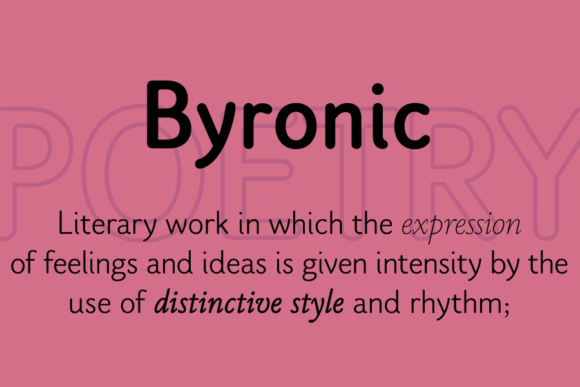
Byronic represents a unique intersection in the world of digital Fonts, offering designers a tool that bridges the gap between contemporary minimalism and historical charm. As a Sans Serif typeface, it defies the cold, geometric rigidity often associated with modern web typography by introducing soft, rounded terminals and an antique-inspired lowercase structure. For UI designers and brand creators, this means having access to a font that feels approachable and friendly without sacrificing the clean lines necessary for high-performance digital interfaces. The visual personality of Byronic is defined by its ability to retain a classic typographical appearance while delivering the readability required for screens of all sizes.
Enhancing Visual Hierarchy in Landing Page Headers
When constructing a conversion-focused landing page, the hero section demands immediate attention, and Byronic serves as an exceptional choice for these primary headlines. Unlike standard Sans Serif options that can feel generic or corporate, Byronic introduces a subtle warmth that invites users to scroll further. The rounded ends of the letters create a soft appearance that reduces visual tension, making complex value propositions feel more accessible. In web design, where every pixel contributes to user retention, using a font with this level of character helps establish a distinct brand tone from the first second of interaction. Designers can leverage the antique style lowercase to add a touch of sophistication to short, punchy headers, ensuring that the text stands out against background images or solid color blocks without appearing aggressive.
Optimizing Readability for Mobile and Responsive Layouts
The transition from desktop to mobile requires fonts that maintain clarity at smaller scales, and Byronic excels in this environment due to its open forms and balanced weight distribution. Many Fonts struggle on mobile devices because their details become muddy, but the soft modern sans serif structure of Byronic ensures that letterforms remain distinct even when scaled down for smartphone screens. This is crucial for navigation menus, subheaders, and introductory paragraphs where legibility directly impacts bounce rates. The friendly soft look of the typeface prevents text-heavy sections from feeling overwhelming, encouraging users to engage with content rather than skim past it. For digital product creators, this means that Byronic can support long-form reading experiences on blogs or course platforms without causing eye strain, a key factor in maintaining user engagement across diverse devices.
Building Trust Through Soft Modern Typography in E-Commerce
In the competitive landscape of online stores, brand perception is heavily influenced by typographic choices, and Byronic offers a strategic advantage for boutiques and lifestyle brands. The combination of a classic typographical appearance with modern simplicity creates an aura of reliability and elegance, which is essential for building consumer trust. When used in product titles, category headers, or promotional banners, this Sans Serif font conveys a sense of curated quality. The antique style lowercase adds a narrative element, suggesting heritage and craftsmanship, which resonates deeply with audiences looking for authentic products. By integrating Byronic into an e-commerce interface, designers can create a cohesive visual identity that feels both premium and welcoming, effectively guiding shoppers through the purchase journey with a consistent and reassuring aesthetic.
Strategic Font Pairing for Digital Brand Identity
Creating a versatile design system often involves pairing a distinctive display font with a neutral body text, and Byronic pairs exceptionally well with clean, geometric sans serifs or traditional serif fonts. Because Byronic already possesses a strong personality through its rounded ends and soft appearance, it works best when allowed to shine in headings and call-to-action buttons, while a simpler typeface handles dense body copy. This contrast enhances visual hierarchy, allowing users to scan pages efficiently while appreciating the artistic nuance of the headers. For creative entrepreneurs and SaaS founders, this pairing strategy ensures that the brand identity remains memorable without compromising functionality. The versatility of Fonts like Byronic allows for experimentation in social media graphics and email newsletters, maintaining a unified look across all digital touchpoints while adapting to different content formats.
Elevating User Experience in App Interfaces and Dashboards
Digital products such as SaaS platforms and mobile applications require typography that supports quick information processing, and Byronic brings a humanizing element to these often sterile environments. The friendly soft look of the typeface can soften the technical nature of dashboards, making data visualization and complex interfaces feel more approachable to non-technical users. When used for section titles, modal windows, or empty state messages, Byronic reduces cognitive load by presenting information in a visually pleasing manner. The classic typographical appearance ensures that the font remains professional enough for business contexts, while the modern sans serif foundation guarantees alignment with contemporary UI design standards. This balance is vital for app screens where user comfort and ease of use are paramount, helping to reduce friction and improve overall satisfaction with the digital product.
Licensing Considerations for Commercial Web Projects
Before implementing Byronic in client projects or commercial products, it is essential to understand the licensing terms associated with premium Fonts. Web designers must ensure they have the appropriate webfont licenses for domains where the typeface will be hosted, particularly for high-traffic sites or e-commerce platforms. Using a properly licensed Sans Serif font protects both the designer and the client from legal issues while supporting the continued development of high-quality typographic tools. Additionally, checking for included styles, such as bold or italic weights, allows for greater flexibility in design execution, ensuring that the font can handle various hierarchical needs without requiring supplemental typefaces. Investing in the correct licensing upfront streamlines the workflow and ensures that the final digital experience is both legally compliant and visually polished.